October 13, 2026
Aluminum Die Cast Parts: Alloy Specs, Process Types and Industrial Applications
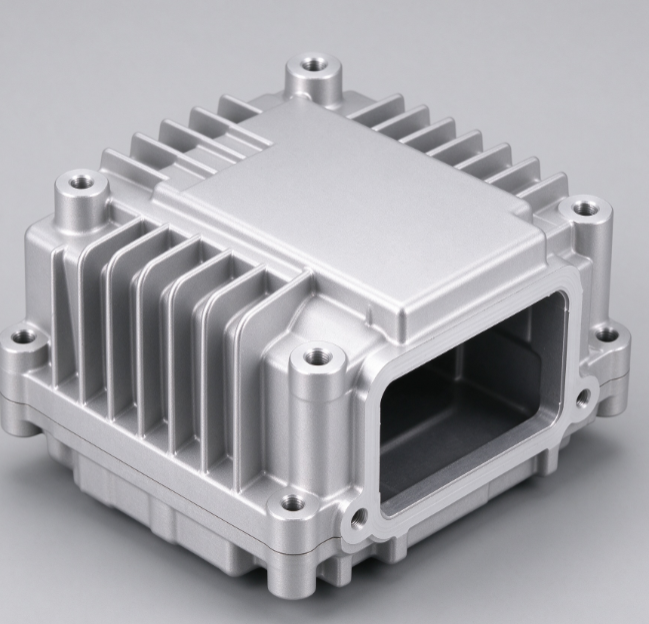
Table of Contents
1. Introduction
2. Common Aluminum Die Casting Processes
3. Aluminum Alloy Performance Data Comparison
4. Key Structural and Material Advantages
5. Main Industrial Applications
6. Practical Design and Production Tips
7. Industry FAQ
Introduction
Aluminum die cast parts are lightweight metal components made via high-pressure metal forming. Molten aluminum alloy inject into precision steel dies to form finished parts fast.
This manufacturing method support high-volume production. It produce parts with stable dimension accuracy and smooth surface finish.
Aluminum die casting components replace heavy steel parts in many industries. It reduce overall product weight without losing structural strength.
Different alloy grades and casting processes change part performance. Manufacturers pick solutions based on load and usage environment.
Common Aluminum Die Casting Processes
High Pressure Die Casting (HPDC)
High pressure die casting is the most widely used process for aluminum die cast parts. Fast injection speed fill die cavities in milliseconds.
It suit mass production of small and medium parts. Production cycle is short and unit cost low.
HPDC parts have slight porosity. It not fit ultra-high pressure sealing scenarios without secondary treatment.
Low Pressure Die Casting (LPDC)
Low pressure die casting use slow and steady molten metal filling. It create dense internal structure with low porosity rate.
Parts made by LPDC have better mechanical toughness. It work for high-load automotive and structural components.
The production speed is slower than HPDC. It mainly used for medium-batch high-quality parts.
Gravity Die Casting
Gravity die casting rely on natural metal flow. It need no high-pressure injection equipment.
The process is simple and cost-saving. It apply to thick-wall aluminum parts with low precision requirements.
Aluminum Alloy Performance Data Comparison
Alloy grade directly decide strength, hardness and durability of aluminum die cast parts. The table below shows verified mechanical data for three mainstream die casting aluminum alloys.
Alloy Grade | Tensile Strength (MPa) | Yield Strength (MPa) | Hardness (HB) | Elongation (%) | Core Usage |
ADC12 | 230 – 310 | 120 – 150 | 65 – 80 | 1.5 – 2.5 | General mechanical parts, housing shells |
A380 | 320 – 350 | 160 – 170 | 75 – 85 | 2.0 – 3.0 | Automotive parts, high-strength structural components |
A360 | 290 – 320 | 165 – 170 | 70 – 75 | 2.5 – 3.5 | Electronic parts, corrosion-resistant components |
A380 alloy have the highest tensile strength among common grades. It is the top choice for load-bearing aluminum die cast parts.
A360 show better ductility. It resist crack deformation under repeated vibration.
Key Structural and Material Advantages
Light Weight and High Strength Ratio
Aluminum die cast parts have low density. It cut 35% to 50% weight compared with same-size steel parts.
The alloy formula keep stable structural strength. It balance weight reduction and safety performance.
Good Thermal Dissipation Performance
Aluminum alloy have excellent thermal conductivity. Die cast heat sink parts widely use in electronic and electrical equipment.
Integral casting structure avoid loose assembly gaps. Heat transfer efficiency stay stable.
Strong Corrosion Resistance
Natural oxide layer protect aluminum parts from oxidation. Surface treatments like powder coating further improve durability.
These parts work stable in humid and outdoor environments. It reduce later maintenance cost.
Main Industrial Applications
Automotive industry use aluminum die cast parts for engine housings, bracket components and wheel structural parts. Weight reduction improve vehicle energy efficiency.
Electronic manufacturing adopt die cast aluminum shells and heat sinks. Precision casting ensure tight assembly tolerance.
Industrial equipment use alloy die cast brackets and base parts. High hardness resist long-term vibration and impact.
New energy equipment also rely on these parts for lightweight structural support and heat dissipation modules.
Practical Design and Production Tips
Control wall thickness evenly during design. Uneven thickness cause shrinkage holes and internal porosity.
Choose ADC12 for general shell parts to control cost. Upgrade to A380 for high-load structural components.
Add secondary surface treatment for outdoor usage. It extend service life against weather aging.
Check porosity rate after production. Standard qualified HPDC parts keep porosity below 3%.
Industry FAQ
Q1: What is the difference between ADC12 and A380 aluminum die cast parts?
A380 have higher tensile strength and hardness. It suit high-load structural scenarios. ADC12 is more cost-effective for common shell and non-bearing parts.
Q2: Are aluminum die cast parts suitable for outdoor long-term use?
Yes. With powder coating or anodizing treatment, these parts resist corrosion and UV aging. It can work stably for many years in outdoor environments.
Q3: Which casting process makes the highest quality aluminum parts?
Low pressure die casting produce denser parts with lower porosity. It deliver better mechanical performance than high pressure die casting.
Q4: Can aluminum die cast parts do precision assembly work?
Yes. Standard die casting tolerance can reach ±0.05mm. Secondary CNC machining further improve accuracy for precision assembly needs.